The Biotin Pro-Growth System
Thicker-looking hair starts at the scalp.
The Hair ResQ Biotin Pro-Growth System: biotin, three clinically tested peptides and a four-step routine for visibly fuller hair.
Hair did not change. The way we notice it did.
The scalp
is the new face.

The conversation used to start with thinning. Now it starts at the scalp: how it looks, how it feels, how it shows in every photo. And almost every change has a story behind it.
Common triggers
What sets off
a shed?
Most hair changes have a cause, and most causes are common. Here is what each one can look like, and when it usually shows up.
01 / 08
Stress, illness and big life events
A high fever, an operation, a divorce or a lost job can push many hairs into their resting phase at the same time. They let go together, months later.
What it can look like
- Shedding all over the scalp, not in one spot
- More hair in the brush, the shower drain and on your pillow
- Usually noticed a few months after the event
- The event
- Shedding starts, a few months later
- Fullness usually returns within 6 to 9 months
If the stress stays with you, the shedding can stay too.
Sources: American Academy of Dermatology: Do you have hair loss or hair shedding?; American Academy of Dermatology: Hair loss, 18 causes
02 / 08
A new baby
Pregnancy hormones hold on to hair that would normally fall. After birth, falling estrogen levels release it all at once.
What it can look like
- Noticeable shedding a few months after giving birth
- Shedding that usually peaks around four months
- Most people see normal fullness by their child's first birthday
- Birth
- Peak, about 4 months
- Normal fullness, often by the first birthday
If fullness has not returned after a year, a dermatologist can help.
Sources: American Academy of Dermatology: Hair loss in new moms
03 / 08
Rapid weight loss and GLP-1 medications
Losing 20 pounds or more can trigger a shed. Recent large studies have also linked GLP-1 medications such as semaglutide and tirzepatide with more diagnoses of shedding, which researchers think may come from the physical stress of fast weight loss.
What it can look like
- All-over shedding that follows a period of fast weight loss
- In the research, people who shed had a lower body weight at follow-up
- A link in a study is not proof that the medication is the cause
Never stop or change a medication without your prescriber. Ask your care team about protein and nutrition while you lose weight.
Sources: American Academy of Dermatology: Do you have hair loss or hair shedding?; Katragadda R, et al. Nonscarring alopecia in adults treated with GLP-1s. Laryngoscope, 2026
04 / 08
Nutrition gaps
When iron, protein, zinc or biotin run low, hair can thin. It often recovers once the body gets enough of what it is missing.
What it can look like
- Gradual thinning across the whole scalp
- Hair that feels finer than it used to
- Something your doctor can check with a blood test
More is not always better. High-dose biotin supplements can interfere with some lab tests, so tell your doctor if you take them.
Sources: American Academy of Dermatology: Hair loss, 18 causes; U.S. Food and Drug Administration: Biotin interference with troponin lab tests
05 / 08
Hormones and genetics
Inherited pattern thinning is the most common cause of thinning hair worldwide. In women it usually begins in the 40s, 50s or 60s, and it is more common after menopause.
What it can look like
- A part that looks wider than it used to
- A ponytail that feels thinner
- In men, a receding hairline or a thinning spot on top
Thyroid conditions, PCOS and stopping some birth-control pills can also change hair. A dermatologist can tell these causes apart.
Sources: American Academy of Dermatology: Thinning hair and hair loss in women; American Academy of Dermatology: Hair loss, 18 causes
06 / 08
Tight styles and tension
Styles that pull, like tightly braided hair, cornrows, locs, tight buns and ponytails, extensions and weaves, strain hair at the root. The hairline is one of the first places it shows.
What it can look like
- Broken hairs around the forehead
- A hairline that starts to recede
- Pain, stinging or tenting where hair is pulled tight, or patches where it is pulled most
If a style hurts, it is too tight. The longer the pulling goes on, the harder it is for hair to recover, so act early.
Sources: American Academy of Dermatology: Hairstyles that pull can cause hair loss
07 / 08
Scalp conditions
Flakes, itch and buildup are the scalp asking for attention. Dandruff and seborrheic dermatitis are among the most common reasons.
What it can look like
- Flakes that are most noticeable in the hair
- Dry or greasy scales, with mild to intense itch
- Pink, purple or red patches, depending on skin tone
Scaly patches with broken hairs or small black dots can signal a scalp infection. That is a reason to see a dermatologist.
Sources: American Academy of Dermatology: Seborrheic dermatitis, signs and symptoms; American Academy of Dermatology: Hair loss, 18 causes
08 / 08
Sudden round patches
Alopecia areata happens when the immune system targets hair follicles. It often appears suddenly, and hair can come and go.
What it can look like
- A round or oval, smooth bald patch
- Skin that looks calm, with no redness or swelling
- Sometimes eyebrows, eyelashes or the beard too
Patchy hair loss is always worth a dermatologist visit.
Sources: American Academy of Dermatology: Alopecia areata, signs and symptoms
Beneath the surface
Every strand keeps its own calendar.
Each hair moves through four phases on its own schedule. That is why shedding often shows up two to four months after the moment that set it off.
Keep scrolling to follow one strand
01 / 04Growing
Anagen
The active phase. Most hairs on your scalp are here right now, and each can stay for years.
02 / 04Transition
Catagen
A short pause of a few weeks. The follicle shrinks and the hair loosens its hold.
03 / 04Resting
Telogen
About three months of rest. The hair stays put while the follicle quietly resets.
04 / 04Release
Exogen
The old hair lets go. Roughly 50 to 100 a day is commonly cited as normal.
Science at the root
Three peptides. One purpose.
With biotin, the B vitamin hair care is known for, and a peppermint-fresh, scalp-first finish.
Peptide 01 / 03
Copper Tripeptide-1
GHK-Cu
Copper Tripeptide-1, often referred to as GHK-Cu, is a copper-binding tripeptide: a short chain of three amino acids paired with copper. It is a well-known ingredient in skin and scalp care.
Chosen to support a healthy-looking scalp and fuller-looking hair.
Peptide 02 / 03
Acetyl Tetrapeptide-3
Acetyl Tetrapeptide-3 is a peptide made of four amino acids. It is used in scalp and hair care formulas.
Chosen to support a healthy-looking scalp and fuller-looking hair.
Peptide 03 / 03
Biotinoyl Tripeptide-1
Biotinoyl Tripeptide-1 is a tripeptide linked to biotin (vitamin B7). It brings together two ingredient families that are popular in hair care.
Chosen to support a healthy-looking scalp and fuller-looking hair.
Four steps.
One routine.
The ritual
One routine, from wash day to styling.

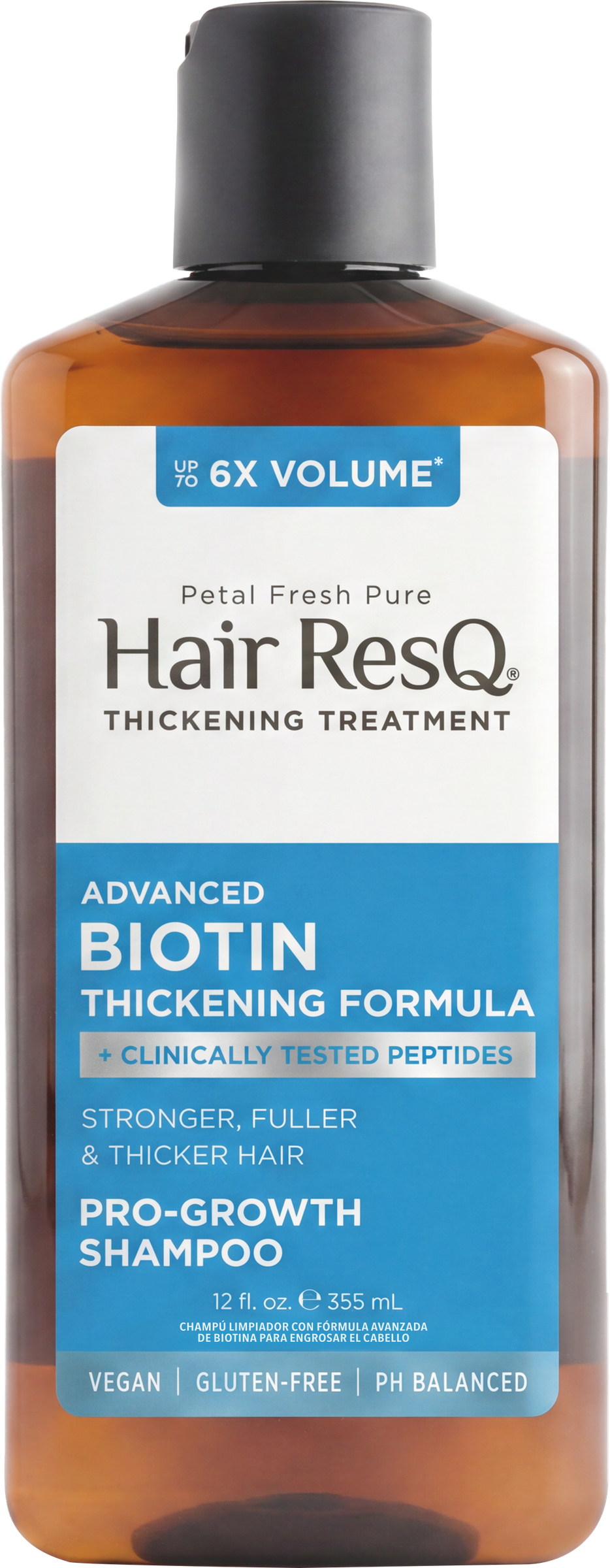
01
Wash Day
Biotin Pro-Growth Shampoo
12 fl oz (355 mL)
A peppermint-tingle cleanse for visibly more volume after every wash.
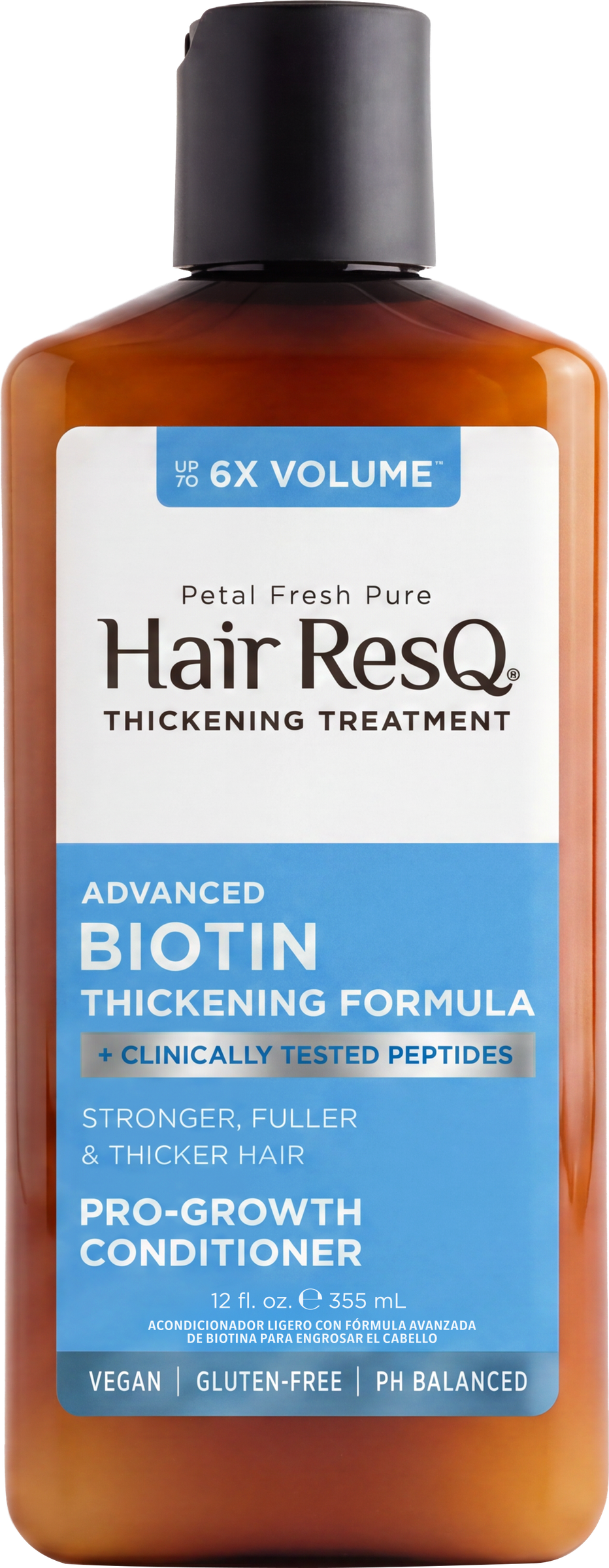
02
Wash Day
Biotin Pro-Growth Conditioner
12 fl oz (355 mL)
Conditions and softens while keeping lift at the root. Pairs with the shampoo.
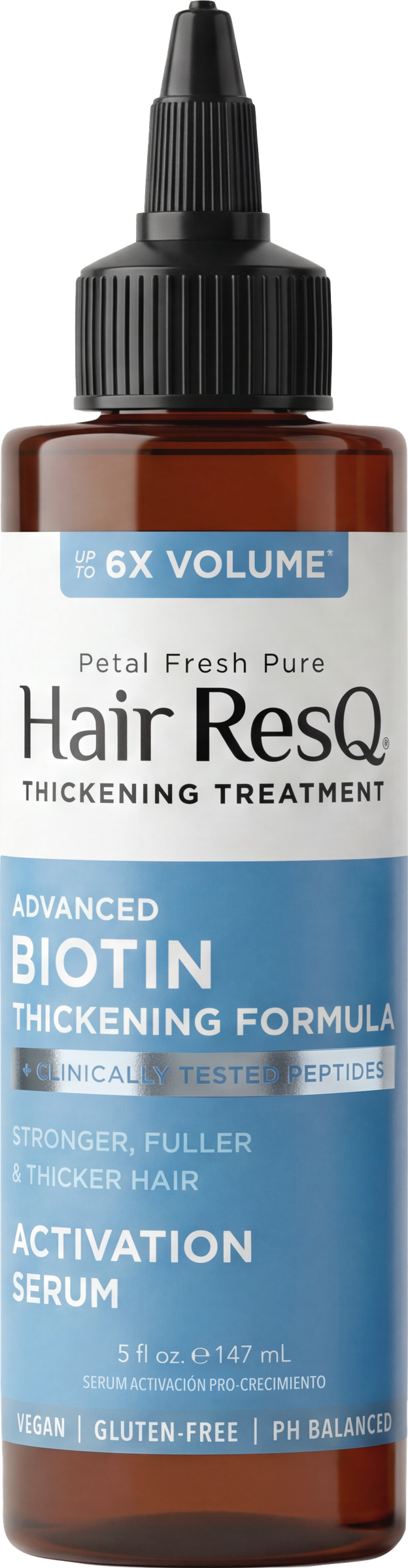
03
Nightly Care
Activation Pro-Growth Serum
5 fl oz (148 mL)
A nightly scalp serum with targeted peptides, massaged in at the part line.

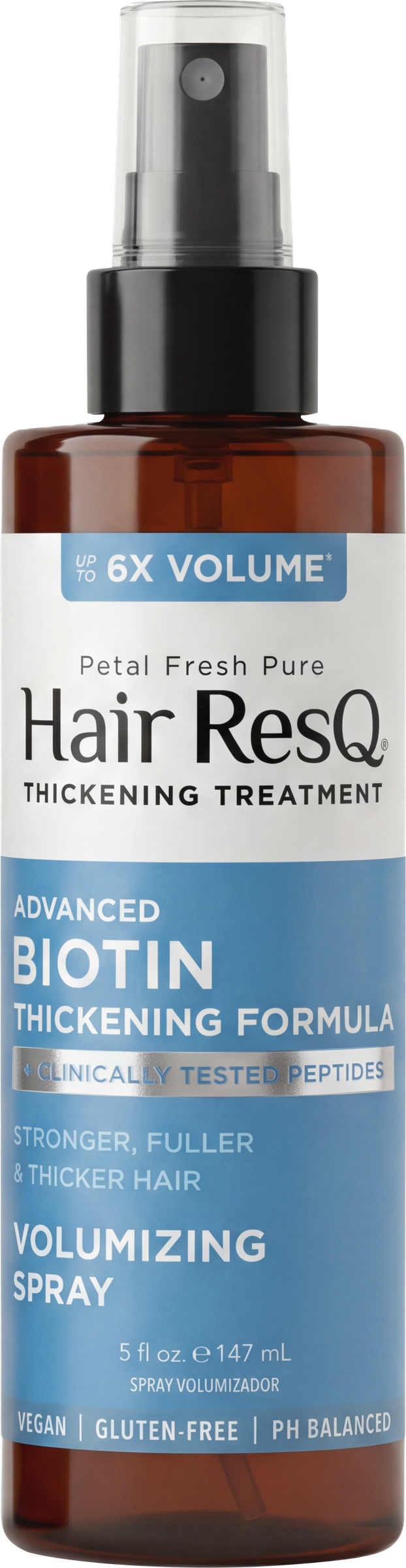
04
Styling
Volumizing Pro-Growth Spray
5 fl oz (148 mL)
Instant lift at the root, with peptides in every spray.
The proof
Clinically tested as a complete routine.
- 97% reported noticeable volume improvement, with more lift and volume at the roots (4 weeks).
- 97%1reported noticeable volume improvement, with more lift and volume at the roots (4 weeks).1. Based on an independent 8-week clinical study using the full 4-product Hair ResQ regimen, 2025. Based on participant self-assessment. Individual results vary.
- 100% agreed their hair looked noticeably more voluminous than before the regimen (8 weeks).
- 100%2agreed their hair looked noticeably more voluminous than before the regimen (8 weeks).2. Based on an independent 8-week clinical study using the full 4-product Hair ResQ regimen, 2025. Based on participant self-assessment. Individual results vary.
- Up to 10x more volume, as reported by participants.
- Up to 10x3more volume, as reported by participants.3. Based on an independent 8-week clinical study using the full 4-product Hair ResQ regimen, 2025. Based on participant self-assessment. Individual results vary.
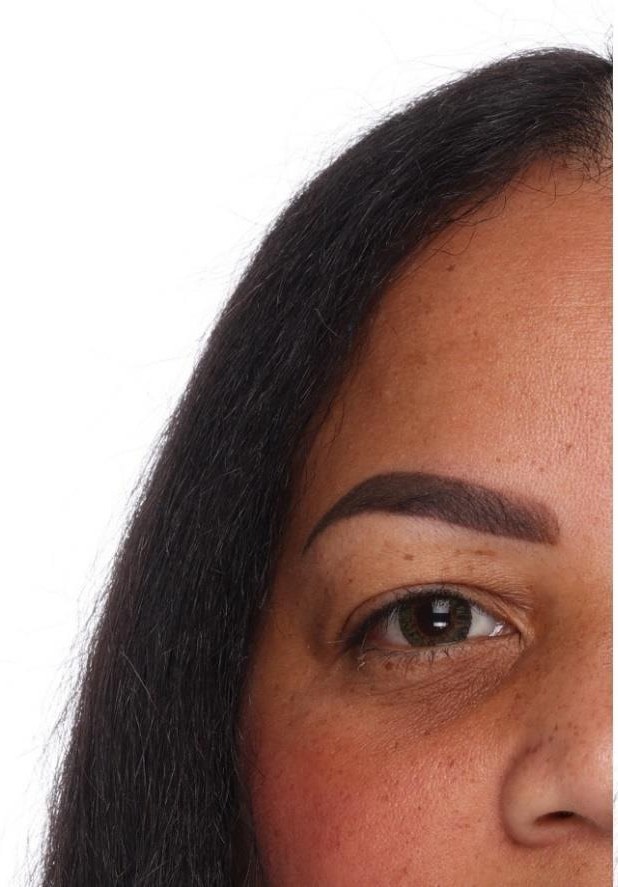
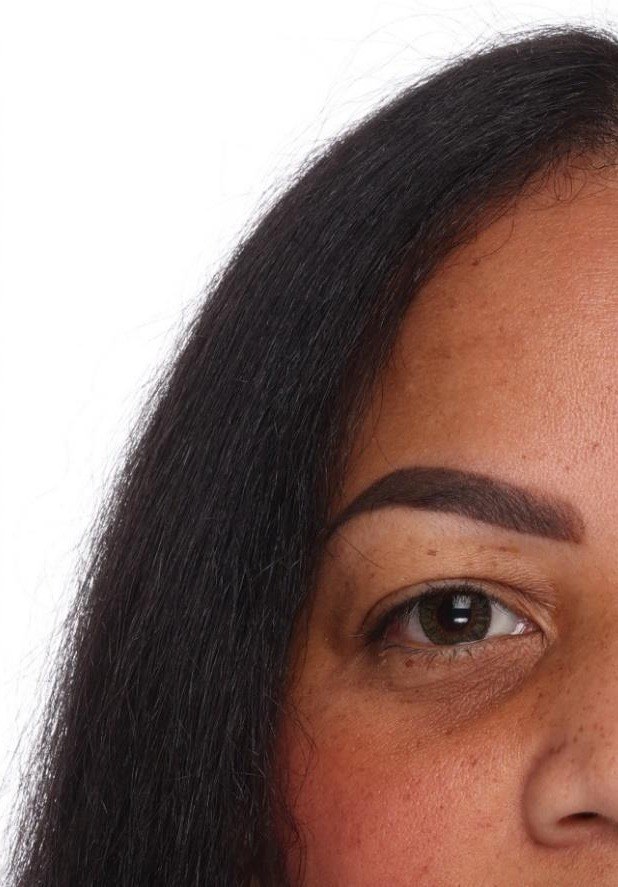
Drag to compare.
Before vs. immediately after application. Unretouched.
Photos: independent 8-week clinical imaging and perception study, July to September 2025.
Back to the surface
Find it on the shelf.
Hair ResQ is on shelves at six national retailers, in stores and online.
Available at


 Launching Soon
 Launching Soon
 Launching Soon
Availability varies by store. Call ahead to confirm.